

Unlocking Precision: The Ultimate Guide to Choosing the Best Microscope for Mobile Repairing
Unlocking Precision: The Ultimate Guide to Choosing the Best Microscope for Mobile Repairing
In the fast-paced world of mobile repairing, precision is key. Whether you're tackling a minor screen repair or delving into intricate circuit board fixes, having the right tools can make all the difference. One of the most essential devices in your toolkit is a microscope. However, with countless options available, choosing the best microscope for mobile repairing can be overwhelming. This ultimate guide will illuminate the critical factors to consider, from magnification power and lighting options to ergonomics and price points. We’ll help you unlock the precision that can transform your work, ensuring you're equipped to handle any challenge with ease. Join us as we explore the various types of microscopes, their features, and expert recommendations tailored specifically for mobile repair technicians. Your journey towards achieving impeccable repairs starts here!
Starting at ₹499/-
Top Selling Products





Understanding the Importance of Microscopes in Mobile Repair
In the intricate world of mobile repair, precision isn't just a luxury—it's a necessity. Mobile devices today are marvels of miniaturization, housing complex circuits and components within tiny footprints. This makes the task of repairing them incredibly challenging without the right tools. A microscope becomes indispensable in this scenario, allowing technicians to see minute details that the naked eye simply cannot. These devices enable a higher degree of accuracy when diagnosing issues, soldering tiny components, and ensuring that repairs are done correctly the first time.
Microscopes are particularly vital when dealing with microsoldering tasks. Components on a modern smartphone's motherboard can be as small as a grain of rice, and the slightest miscalculation or slip can result in irreparable damage. A good microscope provides clear, magnified images, allowing technicians to work with confidence and precision. This not only improves the quality of the repair but also boosts efficiency, as the task can be completed more quickly and with fewer mistakes.
Moreover, the use of a microscope can significantly reduce eye strain and fatigue. Spending hours peering into the tiny innards of a mobile device can take a toll on a technician’s vision, leading to errors and discomfort. With a microscope, the strain is minimized, and technicians can maintain a high level of focus and accuracy over extended periods. This enhanced capability directly translates to better customer satisfaction, as repairs are more reliable and less likely to require follow-up work.
Key Features to Look for in a Microscope
When selecting a microscope for mobile repair, several critical features must be considered to ensure it meets the specific needs of the task. One of the foremost features is magnification power. Mobile repair microscopes often need to offer a range of magnifications, typically between 10x and 90x. This range allows technicians to zoom in on minute details without losing clarity or definition, making it easier to work on both small and large components.
Another essential feature is the lighting system. Proper illumination is crucial for achieving clear, detailed images. Many microscopes come with built-in LED lights that provide bright, even lighting. Adjustable lighting options are particularly useful, as they allow technicians to control the intensity and angle of the light to reduce glare and shadows. Some advanced models also offer ring lights or flexible gooseneck lights, which can be adjusted for optimal viewing conditions.
Ergonomics is also a key consideration. Since mobile repair often involves long hours of meticulous work, the microscope should be comfortable to use. Features like adjustable eyepieces, tiltable stands, and ergonomic design can significantly enhance user comfort and reduce strain. Additionally, a stable and flexible stand is essential for positioning the microscope precisely where it’s needed, allowing for steady, hands-free operation.
Types of Microscopes Suitable for Mobile Repair
Several types of microscopes are particularly well-suited for mobile repair, each with its unique advantages. Stereo microscopes, also known as dissecting microscopes, are a popular choice. They provide a three-dimensional view of the object being examined, which is crucial for tasks that require depth perception, such as soldering and inspecting circuit boards. Stereo microscopes typically offer lower magnification ranges but provide excellent clarity and ease of use.
Digital microscopes are another excellent option for mobile repair. These microscopes use a digital camera to capture and display the image on a screen, allowing for a much larger and clearer view. This setup is beneficial for training purposes, as multiple people can view the repair process simultaneously. Digital microscopes often come with software that enables image capturing, video recording, and measurement, making them highly versatile tools for documentation and analysis.
Compound microscopes, while less common in mobile repair, can also be useful for specific tasks requiring very high magnification. These microscopes use multiple lenses to achieve magnifications of up to 1000x or more, which can be beneficial for examining microscopic components or defects that are not visible with lower magnification tools. However, compound microscopes typically have a narrower field of view and less depth, making them less suited for routine mobile repair tasks.
Starting at ₹1999/-
Top Microscope
NewSale
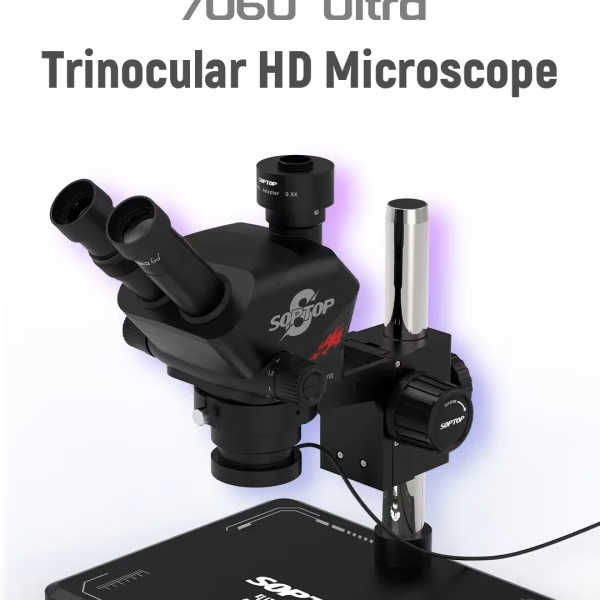
Buy SOPTOP Trinocular Stereo Microscope 7-60X Zoom Online
₹18,499₹19,999

Sale

New
Forward FW-6555 ProMax – Trinocular Stereo Microscope
₹18,999₹19,999

New

Out Of Stock
Comparing Optical vs. Digital Microscopes
When choosing between optical and digital microscopes, it’s essential to understand the specific benefits and limitations of each type. Optical microscopes, which include stereo and compound models, rely on lenses and light to magnify images. They offer real-time, high-resolution views without the need for electronic processing. This can result in clearer, more natural images, and because they don’t rely on software, there’s no risk of lag or digital artifacts.
Digital microscopes, on the other hand, convert the optical image into a digital format that can be displayed on a monitor. This allows for much larger and clearer views, especially beneficial for detailed work and collaborative settings. Digital microscopes often come with features like image capturing, video recording, and measurement tools, which can be invaluable for documentation and analysis. However, they do rely on electronic components and software, which can sometimes introduce latency or require updates and maintenance.
Another significant advantage of digital microscopes is their ease of use and accessibility. They eliminate the need for prolonged periods of looking through eyepieces, which can be uncomfortable and fatiguing. Instead, technicians can view the magnified image on a large screen, which is easier on the eyes and allows for more precise work. This setup also enables better posture and ergonomics, reducing the risk of strain and injury over long periods of use.
Essential Accessories for Mobile Repair Microscopes
To maximize the effectiveness of your microscope for mobile repair, several accessories can prove invaluable. One such accessory is a set of high-quality objective lenses. These lenses determine the magnification power and clarity of the images, so having a range of lenses available allows for greater versatility in your work. Swappable lenses can also help you quickly adapt to different tasks, from broad inspections to detailed soldering.
Another critical accessory is a sturdy, adjustable stand. A good stand provides stability and flexibility, allowing you to position the microscope precisely where it’s needed. Some stands come with articulated arms or boom stands, which offer a greater range of motion and can be adjusted to various angles. This is particularly useful for mobile repair, where the ability to move the microscope around the work area without losing focus is essential.
Lighting accessories are also crucial for achieving clear, detailed images. While many microscopes come with built-in lights, additional lighting options can enhance visibility. Ring lights, for example, provide even, shadow-free illumination around the object being examined. Gooseneck lights offer adjustable, focused lighting that can be directed exactly where it’s needed. These accessories help reduce glare and shadows, making it easier to see fine details and work with precision.
Top Brands and Models for Mobile Repair Microscopes
Several brands and models stand out in the realm of mobile repair microscopes, known for their quality, reliability, and innovative features. One such brand is AmScope, which offers a wide range of microscopes suitable for various applications. The AmScope SE400-Z, for example, is a popular choice among mobile repair technicians. It features a boom arm stand for flexible positioning, built-in LED lighting, and a magnification power of up to 90x, making it ideal for detailed work.
Another reputable brand is OMAX, known for its high-quality digital microscopes. The OMAX MD82ES10 digital microscope, with its 10MP camera, provides crystal-clear images and videos, perfect for documentation and analysis. It also offers a wide range of magnifications and comes with user-friendly software, making it a versatile tool for mobile repair. Its ergonomic design and sturdy build ensure comfort and stability during extended use.
Celestron is also a notable brand, particularly for its digital microscope range. The Celestron 5 MP Handheld Digital Microscope Pro is a versatile and portable option, offering a magnification range of 20x to 200x. Its built-in LED lighting and adjustable stand make it a convenient tool for mobile repair. The microscope also includes measurement software, allowing for precise documentation and analysis of repair work.
How to Set Up Your Microscope for Optimal Use
Proper setup of your microscope is crucial to achieving the best results in mobile repair. Begin by positioning the microscope on a stable, flat surface to prevent any wobbling or vibrations during use. Ensure that the work area is well-lit and free from clutter, providing a comfortable and organized space to work. Adjust the height and angle of the microscope stand to a level that allows you to work without straining your neck or back.
Next, install the appropriate objective lens for the task at hand. For general inspections, a lower magnification lens (around 10x to 20x) is usually sufficient. For detailed work, such as soldering or inspecting tiny components, a higher magnification lens (up to 90x) may be necessary. Ensure that the lens is clean and free from dust or smudges, as these can affect the clarity of the image.
Adjust the lighting to ensure the work area is evenly illuminated. If your microscope has built-in LED lights, set them to a brightness level that provides clear visibility without causing glare. If additional lighting is needed, use ring lights or gooseneck lights to eliminate shadows and enhance detail. Position the lights so that they evenly illuminate the object being examined from different angles.
Common Mistakes to Avoid When Choosing a Microscope
When choosing a microscope for mobile repair, several common mistakes can lead to suboptimal results. One of the most frequent errors is selecting a microscope with inadequate magnification power. While higher magnification can be beneficial for detailed work, it’s essential to have a range of magnifications available. A microscope that only offers high magnification may not be versatile enough for all tasks, making it important to choose a model with adjustable magnification options.
Another mistake is overlooking the importance of lighting. Proper illumination is crucial for achieving clear, detailed images, yet many technicians underestimate its significance. Choosing a microscope with poor lighting options can result in shadows, glare, and insufficient visibility, making it difficult to work accurately. It’s essential to select a microscope with built-in LED lights and consider additional lighting accessories to enhance visibility.
Ergonomics is another critical factor that is often neglected. Mobile repair can involve long hours of detailed work, and using a microscope that isn’t ergonomically designed can lead to discomfort and strain. It’s important to choose a microscope with adjustable eyepieces, a flexible stand, and a comfortable design to ensure ease of use and reduce the risk of injury. Investing in an ergonomic microscope can significantly improve both the quality of your work and your overall comfort.
Maintenance Tips for Longevity and Performance
Maintaining your microscope properly is essential for ensuring its longevity and optimal performance. Regular cleaning is crucial, as dust and dirt can accumulate on the lenses and other components, affecting image quality. Use a soft, lint-free cloth and a mild cleaning solution to gently wipe the lenses and other optical surfaces. Avoid using harsh chemicals or abrasive materials, as these can damage the lenses.
It’s also important to keep the microscope covered when not in use to protect it from dust and debris. Many microscopes come with protective covers, but if yours doesn’t, you can use a clean cloth or a plastic cover. Store the microscope in a cool, dry place, away from direct sunlight and moisture, which can cause damage to the optical components and electronics.
Regularly check and tighten any screws and bolts to ensure that the microscope remains stable and secure. If your microscope has moving parts, such as an adjustable stand or articulated arms, lubricate them periodically to ensure smooth operation. Additionally, if your microscope includes software, keep it updated to ensure compatibility with your computer and access to the latest features.

Conclusion: Making an Informed Decision for Your Mobile Repair Needs
Choosing the best microscope for mobile repair is a critical decision that can significantly impact the quality and efficiency of your work. By understanding the key features to look for, the types of microscopes suitable for mobile repair, and the importance of accessories, you can make an informed choice that meets your specific needs. Whether you opt for an optical or digital microscope, it’s essential to consider factors such as magnification power, lighting, ergonomics, and brand reputation.
Avoiding common mistakes and maintaining your microscope properly will ensure that it remains a valuable tool in your mobile repair toolkit for years to come. By investing in a high-quality microscope and taking the time to set it up correctly, you can unlock the precision necessary for impeccable repairs. This not only enhances your capabilities as a technician but also leads to greater customer satisfaction and success in your mobile repair endeavors.
Your journey towards achieving precise, reliable repairs starts with the right microscope. With the insights and recommendations provided in this guide, you’re well-equipped to make a choice that will elevate your work and help you tackle any repair challenge with confidence. Embrace the power of precision and transform your mobile repair experience with the perfect microscope tailored to your needs.
About Me

Sanjeev Saini
Sanjeev Kumar – A passionate B.Com graduate, blogger, and creative designer. I have a deep passion for Blogging, SEO, Digital Marketing, Graphics Design, and Website Development. Now, I’m helping beginners build stunning WordPress websites and eye-catching graphics to grow their online presence. 🚀

Latest Posts



Related Articles

Unlock Tool 2026.08.02.0 Released – Apple A12/A13 Ramdisk Support | Unlock Tool Download Latest Update
Download Unlock Tool 2026.08.02.0 latest update with Apple A12/A13 Boot Ramdisk support, Samsung Qualcomm Loader update,...
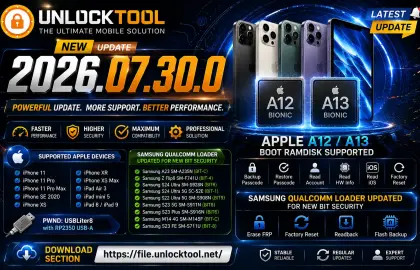
UnlockTool 2026.07.30.0 Released – Apple A12/A13 Boot Ramdisk & Samsung Qualcomm Loader Update (Complete Guide)
UnlockTool 2026.07.30.0 is now available with one of the biggest updates of 2026. This release introduces...

Unlock Tool Rent – Get Unlock Tool 6/12/24 Hours Access License at Lowest Price (Instant Activation)
Need Unlock Tool Rent? Get 6, 12 & 24 Hours Unlock Tool Access with instant activation,...


